
It’s that time of the year

This vintage typwriter is our featured image.

Yes, it’s that time of the year – again.

As a reporter I wrote more than my share of holiday stories. And believe it or not, a lot of them were about looking out for your pet.

In Brief Legal Writing Services  owner Alexandra Bogdanovic's cat, Eli.
Eli under the Christmas Tree. Christmas 2013.

I wrote those stories because I thought it was important – and because I happen to love animals. After all, I’ve had cats since I was a little kid so I know how stressful and scary it can be when you’ve got to rush Rex or Mittens to the vet.

Having said that, there are a whole host of things that we take for granted at this time of year that can be hazardous or even lethal to companion animals.

Everyone knows that chocolate – or more specifically, the ingredients therein – can cause serious illness in dogs and cats. But there are other things that can make Fido or Cleo sick. Holiday decorations, plants, “people food” and even pet treats can be harmful.

The good news is that preventing unwanted emergencies is a matter of exercising a little common sense and a lot of restraint. Keep decorations and house plants out of reach. When it comes to treats of any type, keep in mind that we shouldn’t overindulge — and neither should our pets.
 

No easy answers

This vintage typwriter is our featured image.

Recently publicized incidents involving New Jersey and Connecticut animal shelters raise important questions for everyone concerned about the plight of unwanted dogs and cats in America.

As reported on NorthJersey.com, the Montclair, NJ, case highlights the controversy and confusion surrounding the use of the term “no-kill” in association with animal centers, shelters, and so forth. Taken on its face value, the term implies that no animal admitted to the facility will be euthanized for any reason. But as experts in the field quickly point out, that’s not necessarily the case. While policies likely vary, some, like those in place at the shelter in question, do permit euthanasia under extenuating circumstances.

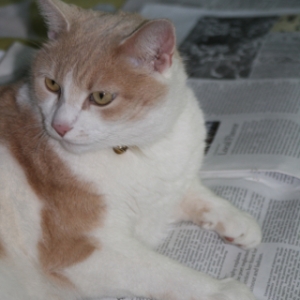
Eli, the In Brief Legal Writing Services mascot.
Eli reading.

Meanwhile, the director of one Connecticut shelter is wrestling with an entirely different issue. For years, many northern shelters, adoption and rescue groups have been “saving” unwanted dogs and cats from southern states where – for numerous reasons – their fate is uncertain. According to published reports, the Branford shelter director is wondering if that’s still a good idea. Her argument is that there are plenty of pets in need of good homes in Connecticut as it is, and that their needs should  be prioritized.

I’m not about to weigh in on either one of these debates. All I know is that any way you look at it, there is no easy answer.